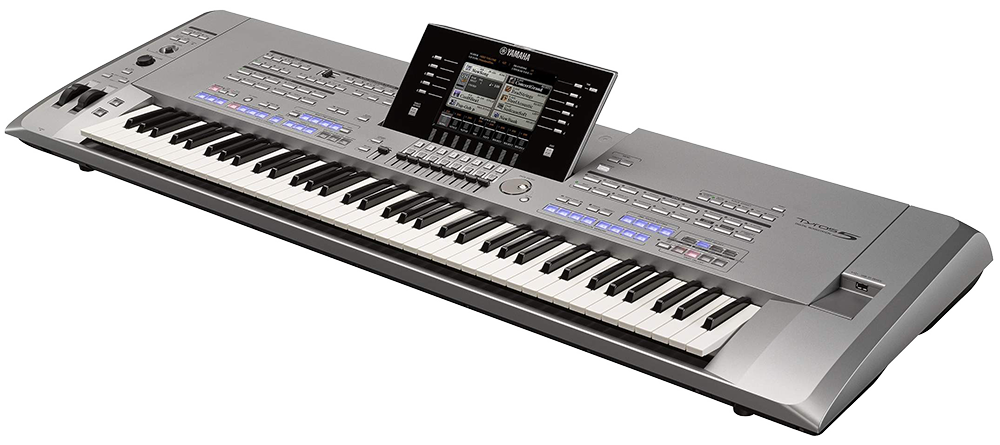
A music analyst uses MIDI2Lua Hot to convert a MIDI file into a Lua script, which is then used to analyze the musical composition. The Lua script extracts relevant musical features, such as melody and harmony, allowing the analyst to gain insights into the composition's structure.
: In programming, "hot" often refers to hot-reloading or hot-swapping —updating the Lua scripts while the program is running without needing a restart.
or custom Lua scripts allow players to convert MIDI files into QWERTY keystrokes, enabling "autopiano" features that play complex pieces with perfect accuracy. Custom Macro Controllers
: To optimize note selection within the Lua script, each of the 128 possible MIDI notes can be represented using one-hot encoding . This maps a single active note to a specific index in a binary vector, facilitating rapid lookups and reducing execution overhead.