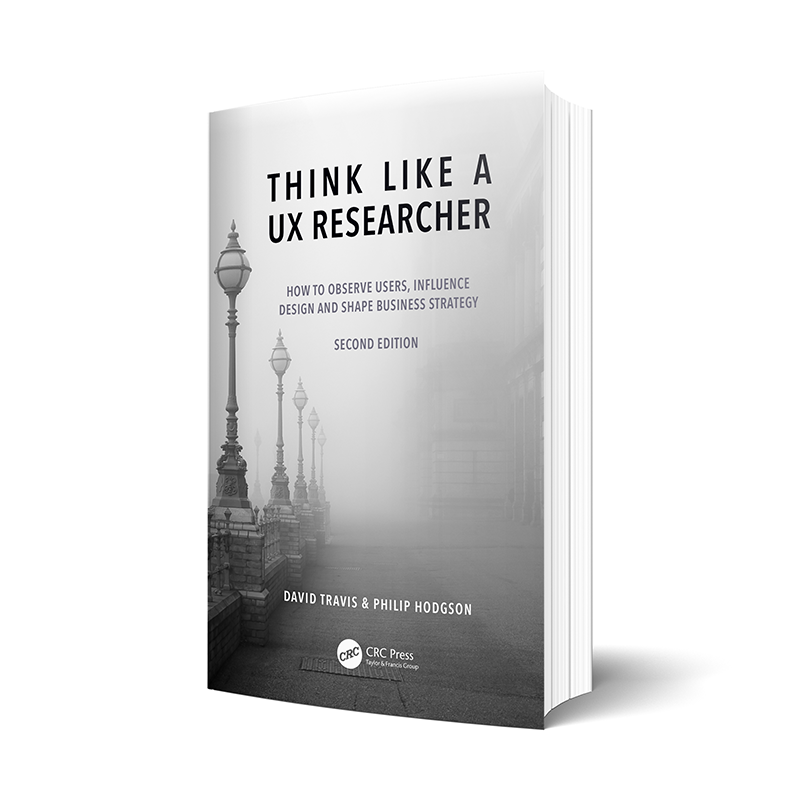
Think Like a UX Researcher: How to observe users, influence design, and shape business strategy
In this newly revised Second Edition, you'll find six new essays that look at how UX research methods have changed in the last few years, why remote methods should not be the only tools you use, what to do about difficult test participants, how to improve your survey questions, how to identify user goals when you can’t directly observe users and how understanding your own epistemological bias will help you become a more persuasive UX researcher.
Buy Now
The visual identity of this lifestyle is a major trend worldwide. Think of the "Arab Grandma’s Kitchen" aesthetic—copper pots, handmade ceramics, embroidered tablecloths ( sufra ), and the scent of oud and mishmish (dried apricot).
A niqabi sister’s day begins before dawn with Suhoor (during Ramadan) or Fajr prayer. Following the Sunnah (prophetic traditions), her homemaking is an act of worship. Baking fresh khubz (pita bread), brewing qahwa (Arabic coffee) scented with cardamom, and ensuring the home is spotless ( al-nadhafa min al-iman – cleanliness is part of faith) are not chores; they are spiritual rhythms. This is the essence of the "big" lifestyle—not excess, but barakah (blessing) in time and space. muslim girl wear niqab has a big ass arab homemade hot
Many Arab-inspired homes feature indoor courtyards or "jannat" (gardens). Start a small herb garden with mint and parsley—essentials for Middle Eastern cooking. 4. Digital Entertainment & Inspiration The visual identity of this lifestyle is a
Entertainment in this lifestyle often revolves around activities that can be enjoyed within a private or "sacred" space. the niqab is often removed
This content caters to a growing middle-class Muslim demographic that seeks a "composite habitus"—a blend of global digital culture and Islamic values.
In female-only spaces, the niqab is often removed, revealing glamorous gowns and elaborate hairstyles. This "dual life" of public modesty and private celebration is a core part of the Arab homemade experience.
For Amira, wearing the niqab is not just a symbol of her faith, but a source of strength and confidence. It allows her to move through the world with freedom and poise, her identity secure in her faith and her heritage.
What's new in the 2nd Edition?
Since publication of the first edition, the main change, largely brought about by COVID and lockdowns, was a shift towards using remote UX research methods. So in this edition, we have added six new essays on the topic. Two essays describe the “how” of planning and conducting remote methods, both moderated and unmoderated. We also include new essays on test participants, on survey questions, and we reveal how your choice of UX research methods may reflect your own epistemological biases. We also flag the pitfalls of remote methods and include a cautionary essay on why they should never be the only UX research method you use.
Skim the Table of Contents