Menabung, bertransaksi, hingga memulai kehidupan yang lebih baik bisa dilakukan dengan Jenius.
Total Pengguna
Total Fitur
Total Co.Creators
The white picket fence is gone. In its place is a door that two different families have keys to. And modern cinema is finally brave enough to open it.
The concept of blended families, also known as stepfamilies, has become increasingly prevalent in modern society. This phenomenon is reflected in the way it is portrayed in cinema. The aim of this report is to analyze the representation of blended family dynamics in modern cinema, exploring the themes, challenges, and portrayals of blended families in recent films.
The Kids Are All Right ends with the family shattered but still sitting together, watching a documentary. No one says "I love you." The bond is fragile, qualified. Instant Family ends not with adoption finalization as a victory lap, but as a tentative beginning. Marriage Story ends with the ex-spouses sharing a hug while their son counts to ten. It’s a scene of ceasefire, not peace.
Further viewing:
What makes The Kids Are All Right a landmark is its refusal to villainize the outsider. Paul isn't a deadbeat; he's a warm, messy, appealing presence. The tension isn't about good vs. evil, but about loyalty . When the teenage daughter, Laser, bonds with Paul, it isn't because his mothers are failing; it's because he represents a missing piece of his biological puzzle. The film’s genius lies in its depiction of "ambivalent attachment"—the way children of divorce or alternative arrangements can love their primary caregivers while still yearning for the absent other. Modern cinema understands that in a blended family, you don't have to hate one parent to love another. That complexity is the point.
As they worked on their projects, they encountered challenges. Lucas struggled with his concept, feeling it didn't fully represent their family's journey. Ethan faced technical difficulties with his camera, risking his chance at a perfect shot. Mia, meanwhile, was overwhelmed by her ideas, unsure how to bring them all together.
For decades, cinema portrayed blended families through a distorted lens: the wicked stepmother (Cinderella), the resentful step-siblings (The Parent Trap), or the hapless dad who remarries too quickly (various 80s comedies). Modern cinema has moved toward —exploring loyalty conflicts, grief, economic pressures, and the slow, messy process of building new bonds. This guide breaks down key archetypes, conflicts, and visual storytelling techniques used in films from 2010 to the present.

The white picket fence is gone. In its place is a door that two different families have keys to. And modern cinema is finally brave enough to open it.
The concept of blended families, also known as stepfamilies, has become increasingly prevalent in modern society. This phenomenon is reflected in the way it is portrayed in cinema. The aim of this report is to analyze the representation of blended family dynamics in modern cinema, exploring the themes, challenges, and portrayals of blended families in recent films. pure taboo 2 stepbrothers dp their stepmom exclusive
The Kids Are All Right ends with the family shattered but still sitting together, watching a documentary. No one says "I love you." The bond is fragile, qualified. Instant Family ends not with adoption finalization as a victory lap, but as a tentative beginning. Marriage Story ends with the ex-spouses sharing a hug while their son counts to ten. It’s a scene of ceasefire, not peace. The white picket fence is gone
Further viewing:
What makes The Kids Are All Right a landmark is its refusal to villainize the outsider. Paul isn't a deadbeat; he's a warm, messy, appealing presence. The tension isn't about good vs. evil, but about loyalty . When the teenage daughter, Laser, bonds with Paul, it isn't because his mothers are failing; it's because he represents a missing piece of his biological puzzle. The film’s genius lies in its depiction of "ambivalent attachment"—the way children of divorce or alternative arrangements can love their primary caregivers while still yearning for the absent other. Modern cinema understands that in a blended family, you don't have to hate one parent to love another. That complexity is the point. The concept of blended families, also known as
As they worked on their projects, they encountered challenges. Lucas struggled with his concept, feeling it didn't fully represent their family's journey. Ethan faced technical difficulties with his camera, risking his chance at a perfect shot. Mia, meanwhile, was overwhelmed by her ideas, unsure how to bring them all together.
For decades, cinema portrayed blended families through a distorted lens: the wicked stepmother (Cinderella), the resentful step-siblings (The Parent Trap), or the hapless dad who remarries too quickly (various 80s comedies). Modern cinema has moved toward —exploring loyalty conflicts, grief, economic pressures, and the slow, messy process of building new bonds. This guide breaks down key archetypes, conflicts, and visual storytelling techniques used in films from 2010 to the present.
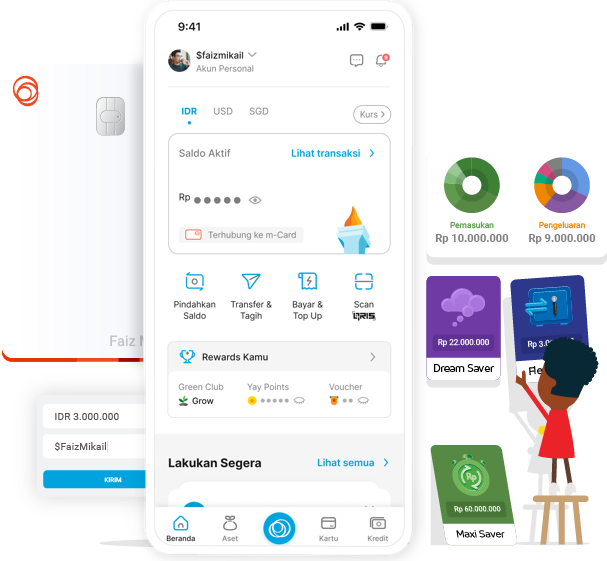
Buka, atur, dan tarik tabungan
berbunga kompetitif tanpa ke bank.
Pengajuan mudah. Penarikan dan cicilannya fleksibel pilih sendiri, kapan pun, di mana pun.
Temukan penawaran menarik yang sesuai dengan Green Club kamu.
Yuk, ikut menjadi Co.Creators dan sampaikan idemu untuk Jenius.
Lindungi dirimu dengan tidak membagi data pribadi ke siapa pun. Mau lebih aman? Klik tombol di bawah, ya!