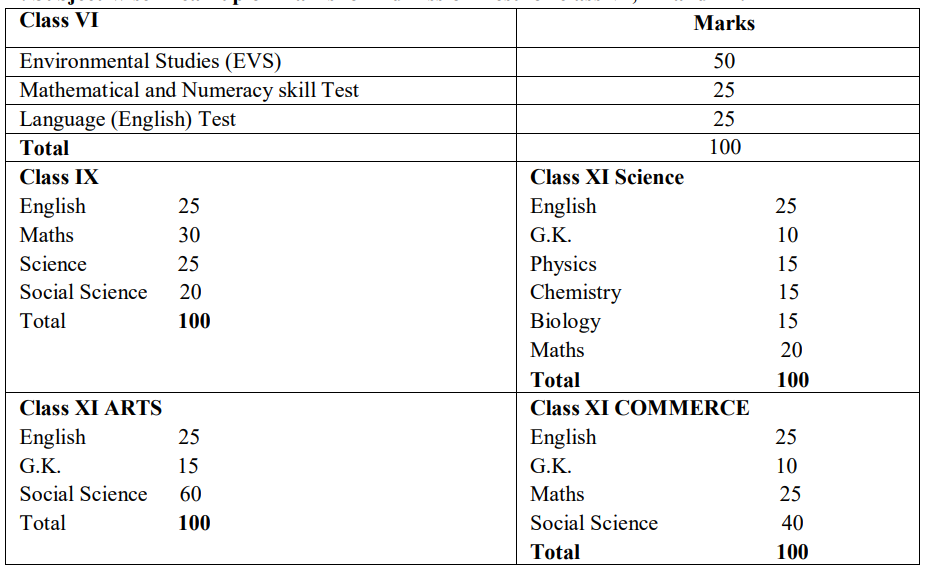
Subject-wise Break-up of Marks for Admission Test for class VI, IX and XI:
Beyond technique, this practice taps into anthropology. Eating is storytelling. Each bowl becomes a short story about a place, a person, or a memory. Diners are coaxed into listening. The sensory language of smells and textures is deployed with the specificity of a writer choosing verbs. A bowl’s aroma may begin with onsen-like mineral steam, progress to a citrus husk’s green bitterness, and close in a lingering sesame warmth. It’s cinematic without being ostentatious.
What makes this movement editorial-worthy is its marriage of intimacy and curation. Omakase is traditionally associated with sushi counters — a single chef, a flow of fish, an altar of trust. Transposing that ethos to rice bowls turns the meal into something communal and private at once. It’s a direct challenge to two culinary assumptions that dominated the era: that innovation must be loud, and that comfort must remain unassuming. The mother-daughter omakase argues you can be both radical and familiar: radical in the way you sequence flavors, in the precision of technique; familiar in the emotional vocabulary of a bowl of rice and something placed gently upon it.
: It represents a move toward "comfort omakase" where the value and family story are as important as the flavor profile. Kuma No Yakitori’s Ultimate Rice Bowl :
All test papers will consist of 100 multiple choice objective type questions of one mark each.
Beyond technique, this practice taps into anthropology. Eating is storytelling. Each bowl becomes a short story about a place, a person, or a memory. Diners are coaxed into listening. The sensory language of smells and textures is deployed with the specificity of a writer choosing verbs. A bowl’s aroma may begin with onsen-like mineral steam, progress to a citrus husk’s green bitterness, and close in a lingering sesame warmth. It’s cinematic without being ostentatious.
What makes this movement editorial-worthy is its marriage of intimacy and curation. Omakase is traditionally associated with sushi counters — a single chef, a flow of fish, an altar of trust. Transposing that ethos to rice bowls turns the meal into something communal and private at once. It’s a direct challenge to two culinary assumptions that dominated the era: that innovation must be loud, and that comfort must remain unassuming. The mother-daughter omakase argues you can be both radical and familiar: radical in the way you sequence flavors, in the precision of technique; familiar in the emotional vocabulary of a bowl of rice and something placed gently upon it. mother and daughter rice bowl omakase 2024 en top
: It represents a move toward "comfort omakase" where the value and family story are as important as the flavor profile. Kuma No Yakitori’s Ultimate Rice Bowl : Beyond technique, this practice taps into anthropology