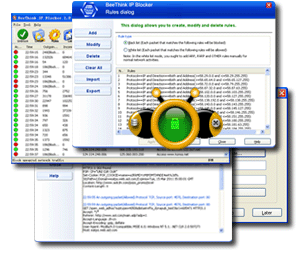
The network flow-based analysis engine placed in the TCP/IP stack detects sophisticated layer 7 (Application layer) DDoS attacks, Low and Slow attacks, Slow Loris, POST and GET floods, and more.
Graph-based monitoring tools allow users to observe suspicious network activity in real time. Customize DDoS protection rules based on observations.
We have our own ways of defeating DDoS threats.
This is the "new" standard that replaces the old key system.
When PopCap Games released the original in 2003, it quickly became a staple of casual gaming, blending the timeless appeal of marble‑shooting puzzles with a sleek, colorful aesthetic. A year later, the studio introduced Zuma Deluxe , an expanded version that added new levels, enhanced graphics, and a polished user interface. While the core gameplay remained unchanged—players guiding a stone‑throwing frog to eliminate colored balls before they reach the golden skull—the Deluxe edition also introduced a registration key system that reflected the early 2000s transition from shareware to fully commercial software. This essay explores the historical context of Zuma Deluxe, the purpose and mechanics of its registration key, and how these elements illustrate broader trends in the casual‑gaming market. zuma deluxe registration key popcap new